Hey there! I’m part of a crew that supplies crucible furnaces. These bad boys are super useful in all sorts of industries, from metalworking to glassmaking. But, like any piece of equipment, they can act up sometimes. In this blog, I’ll share some tips on how to troubleshoot a crucible furnace, so you can keep it running smoothly. Crucible Furnace
Understanding the Basics of a Crucible Furnace
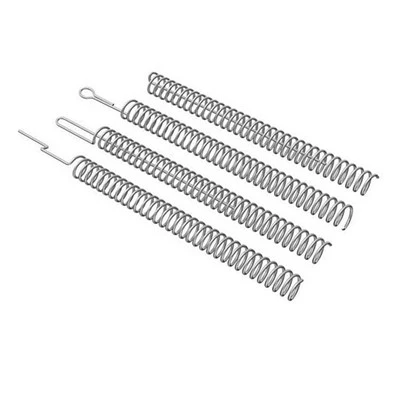
Before we dive into troubleshooting, it’s a good idea to know what makes a crucible furnace tick. A crucible furnace is pretty straightforward in its design. It’s got a heating element, a crucible (which is like a super – tough container that holds the material you’re melting), and a control system that regulates the temperature.
The heating element can be powered by electricity, gas, or oil. Electric furnaces are great for precision and are often used in smaller setups. Gas and oil – fired furnaces, on the other hand, can crank out a ton of heat and are commonly found in larger industrial operations.
The crucible is usually made of materials like graphite, ceramic, or refractory metal. It needs to be able to withstand extremely high temperatures without melting or reacting with the material inside.
Common Issues and Their Fixes
No Heat Production
- Power Supply Problems
- First things first, if your furnace isn’t heating up, check the power supply. For electric furnaces, make sure it’s plugged in properly and the circuit breaker hasn’t tripped. It sounds simple, but you’d be surprised how often this is the culprit.
- If it’s a gas or oil – fired furnace, check the fuel supply. Look for any leaks in the gas lines or fuel tanks. A clogged fuel filter can also stop the flow of fuel, so give it a check and replace it if necessary.
- Heating Element Failure
- The heating element is the heart of the furnace. If it’s burned out, the furnace won’t heat. You can usually tell if the heating element is bad by visually inspecting it. If it looks cracked, broken, or has signs of excessive wear, it probably needs to be replaced.
- Keep in mind that replacing a heating element can be tricky, especially if you’re not experienced. If you’re not comfortable doing it yourself, it’s best to call in a professional.
Uneven Heating
- Poor Air Circulation
- In some crucible furnaces, proper air circulation is key to even heating. If you notice that one part of the crucible is getting hotter than the other, it could be due to poor air movement inside the furnace.
- Check the furnace’s ventilation system. Make sure there are no blockages in the air intake or exhaust. Sometimes, a simple cleaning of the vents can solve the problem.
- Crucible Placement
- The way you place the crucible in the furnace can also affect the heating. If it’s not centered or is touching the walls, it can lead to uneven heat distribution. Make sure the crucible is placed in the center of the furnace and has enough space around it for the heat to circulate evenly.
Overheating
- Faulty Temperature Sensor
- The temperature sensor is responsible for telling the control system when to turn the heating element on and off. If it’s faulty, the furnace might continue to heat even when it’s reached the set temperature.
- You can test the temperature sensor with a multimeter. If it’s not reading the temperature accurately, it’s time to replace it.
- Control System Malfunction
- The control system coordinates all the functions of the furnace. If there’s a glitch in the control system, it can cause overheating. Try resetting the control system by turning off the furnace and unplugging it for a few minutes, then plugging it back in and restarting it. If the problem persists, there might be a more serious issue with the control board, and you’ll need to get it checked.
Excessive Noise
- Mechanical Issues
- If your furnace is making a lot of noise, it could be due to mechanical problems. For example, a loose fan belt can create a rattling sound. Check all the moving parts in the furnace, like the fans and motors, and tighten any loose bolts or screws.
- Worn – out bearings can also cause noise. If you suspect a bearing is bad, it’s best to replace it as soon as possible to avoid further damage.
Leakage
- Crucible Damage
- Leakage is a serious issue, especially if it involves the molten material. If you notice a leak, first check the crucible for cracks or holes. A damaged crucible needs to be replaced immediately. Make sure to follow proper safety procedures when handling a leaking crucible, as the molten material can be extremely hot and dangerous.
- Seal Problems
- The furnace should have seals around the doors and other openings to prevent heat and material from escaping. If you find a leak around these areas, check the seals for damage. You might need to replace the seals if they’re worn out or damaged.
Regular Maintenance to Prevent Issues
Troubleshooting is great, but prevention is even better. Here are some tips for regular maintenance of your crucible furnace:
- Cleaning
- Regularly clean the inside of the furnace to remove any debris or buildup. This can prevent blockages in the ventilation system and help the heating element work more efficiently.
- Inspection
- Do a visual inspection of the furnace on a regular basis. Look for any signs of wear and tear on the heating element, crucible, and other parts. Catching problems early can save you a lot of time and money in the long run.
- Calibration
- Periodically calibrate the temperature sensor and control system to ensure accurate temperature regulation. This will help prevent overheating and uneven heating issues.
When to Call in the Pros
Sometimes, troubleshooting a crucible furnace can be beyond your skill level. If you’ve tried all the basic fixes and the problem still persists, or if you’re dealing with a serious issue like a major electrical problem or a large – scale leak, it’s time to call in a professional. A trained technician will have the tools and expertise to diagnose and fix the problem safely and effectively.
Wrapping It Up
Well Furnace Well, that’s a rundown of how to troubleshoot a crucible furnace. Remember, a little bit of maintenance and quick troubleshooting can go a long way in keeping your furnace in top shape. If you’re in the market for a new crucible furnace or need replacement parts, don’t hesitate to reach out. We’re here to help you get the most out of your equipment. Whether you’re a small – scale hobbyist or a large industrial operation, we’ve got the products and knowledge to meet your needs. So, if you have any questions or want to start a conversation about your furnace requirements, just drop us a line. We’re eager to work with you and see your projects succeed!
References
- "Furnace Operation and Maintenance Handbook"
- Industry – specific trade magazines on metalworking and glassmaking
- Manufacturer’s manuals for crucible furnaces
Danyang Dingfeng Industrial Furnace Co., Ltd.
Danyang Dingfeng Industrial Furnace Co., Ltd. is one of the most experienced crucible furnace manufacturers and suppliers in China, also supports customized service with low price. Please feel free to wholesale high quality crucible furnace made in China here from our factory. For pricelist, contact us now.
Address: Lizhuang Economic Development Zone, Danyang City
E-mail: saleszk@dffurnace.com
WebSite: https://www.dffurnace.com/
