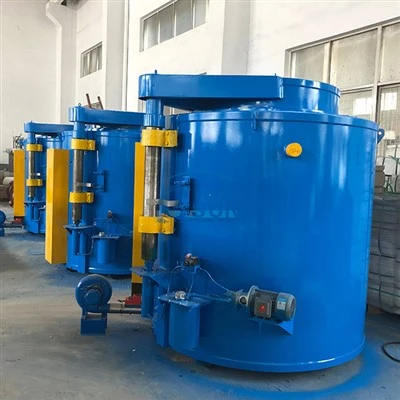
Hey there! I’m a supplier of gas furnaces, and I often get asked, "How do I calculate the right size of a gas furnace?" It’s a crucial question because getting the size wrong can lead to all sorts of problems, from inefficient heating to higher energy bills. So, let me break it down for you in a way that’s easy to understand. Gas Furnace
Why the Right Size Matters
First off, why does it matter to have the correct size of a gas furnace? Well, if you go for a furnace that’s too small, it’ll have to work overtime to heat your space. This means it’ll run constantly, wear out faster, and might not even be able to keep your place warm enough, especially on those cold winter days.
On the flip side, a furnace that’s too big is also a no – no. It’ll heat up your space too quickly and then shut off. This on – and – off cycle, known as short cycling, is not only inefficient but also hard on the furnace components. It can cause uneven heating, with some rooms being too hot and others too cold, and it’ll definitely drive up your energy costs.
Factors to Consider
Now, let’s look at the factors you need to think about when calculating the right size of a gas furnace.
Square Footage of Your Space
One of the most basic factors is the square footage of the area you want to heat. Generally, the larger the space, the more heating power you’ll need. But it’s not as simple as just going by the numbers. You also need to consider the layout of your home, like if it has an open floor plan or lots of small, enclosed rooms.
For a rough estimate, in a well – insulated home in a moderate climate, you might need around 30 to 40 BTUs (British Thermal Units) per square foot. In a colder climate or a home with poor insulation, you could need 50 to 60 BTUs per square foot.
Let’s say you have a 1,500 – square – foot home in a moderate climate. Using the 30 – to – 40 – BTU range, you’d be looking at a furnace with a capacity of 45,000 to 60,000 BTUs.
Insulation
The quality of your home’s insulation plays a huge role. A well – insulated home retains heat better, so you won’t need as powerful a furnace. Insulation is measured in R – values. The higher the R – value, the better the insulation.
If your home has old or inadequate insulation, heat will escape more easily. This means you’ll need a furnace with a higher BTU rating to make up for the heat loss. On the other hand, if you’ve recently upgraded your insulation, you might be able to go for a smaller furnace.
Climate
Where you live has a big impact on the size of the furnace you need. In colder regions where the winter temperatures can drop way below freezing, you’ll need a more powerful furnace to keep your home warm. In warmer areas with milder winters, a smaller furnace will do the trick.
For example, if you live in the northern part of the United States, you’ll likely need a furnace with a much higher BTU rating compared to someone living in the southern part.
Number of Windows and Doors
Windows and doors are major sources of heat loss. If your home has a lot of them, especially large windows or poorly sealed doors, heat will escape quickly. This means you’ll need a furnace with more heating capacity to maintain a comfortable temperature.
You also need to consider the type of windows you have. Double – pane or energy – efficient windows are better at keeping the heat in compared to single – pane windows.
Ceiling Height
Standard ceiling heights are usually around 8 to 9 feet. But if your home has higher ceilings, like 10 or 12 feet, you’ll need a larger furnace. Higher ceilings mean there’s more air volume to heat, so a more powerful furnace is required to warm up the space effectively.
Calculating the Size
Now that you know the factors, how do you actually calculate the size of the gas furnace? You can do a DIY calculation using the information above. Here’s a simple step – by – step guide:
- Measure the square footage of the area you want to heat.
- Decide on the appropriate BTU per square foot based on your insulation, climate, number of windows and doors, and ceiling height.
- Multiply the square footage by the BTUs per square foot. The result is the approximate BTU rating your furnace should have.
For example, if you have a 1,200 – square – foot home with good insulation in a moderate climate and standard ceiling height, and you decide on 35 BTUs per square foot:
1,200 x 35 = 42,000 BTUs. So, you’d be looking for a furnace with a capacity close to 42,000 BTUs.
But here’s the thing: a DIY calculation is just an estimate. There are so many variables involved, and it’s easy to make mistakes. That’s why I always recommend getting a professional heating contractor to do a Manual J load calculation.
A Manual J load calculation is a more accurate way of determining the heat load of your home. The contractor will take into account all the factors we’ve discussed, plus a few more technical details like the orientation of your home, the type of flooring, and the heat generated by appliances and people.
Choosing the Right Furnace from Our Range
As a gas furnace supplier, we have a wide range of furnaces in different sizes and capacities. Once you have a rough idea of the BTU rating you need, you can choose from our selection.
We offer high – efficiency furnaces that can save you money on your energy bills in the long run. Our furnaces are also built to last, with quality components and reliable performance.
We understand that every home is different, and that’s why we’re here to help. Whether you’re a homeowner looking to replace an old furnace or a contractor working on a new construction project, we’ve got the right solution for you.
Get in Touch for More Information
If you’re still not sure about how to calculate the right size of a gas furnace for your home or if you have any other questions about our products, don’t hesitate to get in touch. Our team of experts is ready to assist you with all your gas furnace needs. We can provide more detailed advice, help you choose the right furnace for your specific situation, and even offer installation services if needed.
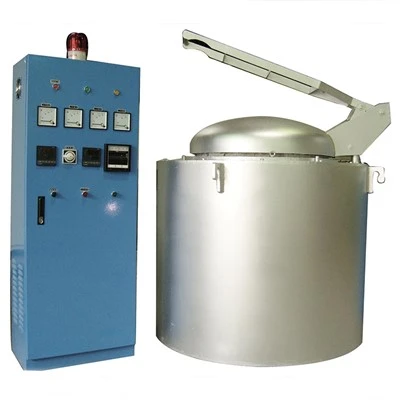
So, if you’re in the market for a new gas furnace, give us a shout. Let’s work together to ensure you get the perfect – sized furnace for your home and enjoy a warm and comfortable winter.
References
Tempering Furnace ASHRAE (American Society of Heating, Refrigerating and Air – Conditioning Engineers). Handbook of Fundamentals.
National Fuel Gas Code.
Danyang Dingfeng Industrial Furnace Co., Ltd.
Danyang Dingfeng Industrial Furnace Co., Ltd. is one of the most experienced gas furnace manufacturers and suppliers in China, also supports customized service with low price. Please feel free to wholesale high quality gas furnace made in China here from our factory. For pricelist, contact us now.
Address: Lizhuang Economic Development Zone, Danyang City
E-mail: saleszk@dffurnace.com
WebSite: https://www.dffurnace.com/
