What is the chemical resistance of ceramic parts?
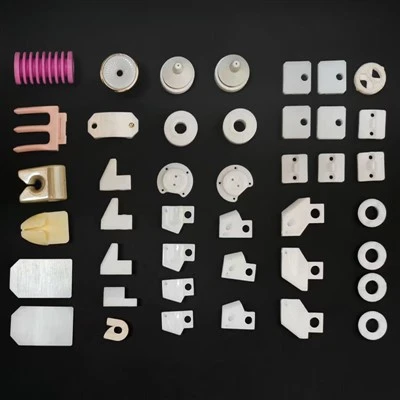
Hey there! I’m [Your Name], and I work for a ceramic parts supplier. I’ve been in this industry for quite a while, and I often get asked about the chemical resistance of ceramic parts. So, I thought I’d write this blog to share what I know. Ceramic Parts
What does chemical resistance mean?
First things first, let’s talk about what we mean by "chemical resistance." When we say a material has good chemical resistance, it means it can withstand exposure to various chemicals without getting damaged or changing its properties. This is super important in a lot of industries, like chemical processing, electronics, and even healthcare.
Why ceramic parts are great for chemical resistance
Ceramics are pretty amazing materials when it comes to chemical resistance. There are a few reasons for this.
Their composition
Ceramics are made up of inorganic, non-metallic materials. Most of the time, they’re based on compounds like oxides, carbides, and nitrides. These compounds are very stable, and they don’t react easily with other chemicals. For example, alumina (aluminum oxide) is a common ceramic material. It’s highly resistant to both acidic and basic solutions. This stability comes from the strong chemical bonds within the ceramic structure.
Their structure
The atomic and molecular structure of ceramics also plays a big role in their chemical resistance. Ceramics often have a crystalline or partially crystalline structure. This means the atoms are arranged in a regular, repeating pattern. This ordered structure makes it harder for chemicals to penetrate and react with the material. In contrast, some metals have a more open and disordered atomic structure, which makes them more susceptible to chemical attack.
Surface properties
The surface of ceramic parts is usually smooth and non-porous. This smooth surface doesn’t provide many places for chemicals to stick to or react with. And because it’s non-porous, chemicals can’t seep into the material. This is a huge advantage compared to some other materials, like wood or some plastics, which can absorb chemicals and get damaged over time.
How we test the chemical resistance of ceramic parts
At our company, we take the chemical resistance of our ceramic parts very seriously. We have a bunch of tests we run to make sure our products can handle different chemical environments.
Immersion tests
One of the most common tests we do is the immersion test. We take samples of our ceramic parts and immerse them in different chemical solutions for a set period of time. We use a range of chemicals, including acids, bases, and organic solvents. After the immersion period, we take the samples out and check for any signs of damage, like corrosion, discoloration, or changes in weight. If the parts pass these tests, we know they have good chemical resistance.
Exposure tests
We also do exposure tests. Instead of fully immersing the parts, we expose them to a controlled atmosphere with a specific chemical vapor or gas. This simulates real-world conditions where the parts might be exposed to chemical fumes. We monitor the parts over time to see if there are any changes in their properties.
Microscopic analysis
Sometimes, we use microscopic analysis to get a closer look at the surface of the ceramic parts after the tests. This helps us detect any tiny changes that might not be visible to the naked eye. We can see if there are any signs of chemical attack at the atomic or molecular level.
Applications where chemical resistance matters
There are tons of applications where the chemical resistance of ceramic parts is crucial.
Chemical processing industry
In the chemical processing industry, ceramic parts are used in all sorts of equipment, like pumps, valves, and reactors. These parts need to be able to withstand the harsh chemicals used in the manufacturing process. For example, in a chemical plant that produces fertilizers, the ceramic valves need to be resistant to strong acids and bases. If the valves were made of a material with poor chemical resistance, they would corrode quickly and cause leaks, which could be dangerous and costly.
Electronics industry
In the electronics industry, ceramic parts are used in things like printed circuit boards and semiconductor manufacturing. These parts are often exposed to chemicals during the manufacturing process, such as cleaning agents and etchants. The ceramic parts need to be able to resist these chemicals so that they don’t get damaged and affect the performance of the electronic devices.
Healthcare industry
In the healthcare industry, ceramic parts are used in medical devices, like dental implants and joint replacements. These parts need to be biocompatible and resistant to the body’s natural chemicals. For example, a dental implant needs to be able to resist the acids and enzymes in the mouth without corroding or causing an allergic reaction.
Limitations of ceramic parts’ chemical resistance
Even though ceramic parts have great chemical resistance, they’re not invincible. There are some limitations.
Extreme conditions
In extremely harsh chemical environments, even the most chemically resistant ceramics can eventually be damaged. For example, very concentrated acids or bases at high temperatures can react with some ceramics over time. Also, some highly reactive chemicals, like fluorine gas, can attack ceramics more easily.
Mechanical stress
If the ceramic parts are under mechanical stress while being exposed to chemicals, it can reduce their chemical resistance. The stress can cause microcracks in the material, which provides a pathway for chemicals to penetrate and react with the ceramic.
Long-term exposure
Over a long period of time, even a small amount of chemical reaction can add up and cause damage to the ceramic parts. So, it’s important to consider the expected lifespan of the parts in a particular chemical environment.
How we ensure high chemical resistance in our products
At our company, we take a few steps to ensure that our ceramic parts have the highest possible chemical resistance.
Material selection
We carefully select the materials for our ceramic parts based on the intended application. We use high-quality raw materials and make sure they’re properly processed to achieve the best chemical resistance. For example, if a customer needs a part that will be exposed to acidic chemicals, we might choose a ceramic material that’s known for its acid resistance.
Manufacturing process
Our manufacturing process is also crucial. We use advanced techniques to make sure the ceramic parts have a uniform structure and a smooth surface. This helps to maximize their chemical resistance. We also do quality control checks at every stage of the manufacturing process to make sure the parts meet our high standards.
Customization

We understand that different customers have different needs. So, we offer customized solutions. If a customer has a specific chemical environment in mind, we can work with them to develop a ceramic part that’s specifically designed to withstand those chemicals.
Conclusion
Ceramic Blades So, there you have it! The chemical resistance of ceramic parts is a really important property that makes them useful in a wide range of industries. At our company, we’re committed to providing high-quality ceramic parts with excellent chemical resistance. If you’re in need of ceramic parts for your application and want to learn more about how our products can meet your chemical resistance requirements, don’t hesitate to reach out. We’d love to have a chat and see how we can help you with your project.
References
- "Ceramics: Structure, Properties, and Applications" by John Boccaccini
- "Handbook of Advanced Ceramics: Materials, Applications, Processing, and Properties" edited by Cheol-Woo Lee and Seong-Hyeon Hong
- "Introduction to Ceramics" by W. D. Kingery, H. K. Bowen, and D. R. Uhlmann
Haining Yifeng Ceramic Technology Co., Ltd.
We are one of the most experienced ceramic parts manufacturers and suppliers in China, also support customized service. Welcome to buy high quality ceramic parts made in China here and get pricelist from our factory. For price consultation, contact us.
Address: No. 3, Guoyuan Road, Guodian Industrial Park, Yanguan Town, Haining City, Zhejiang Province
E-mail: 13396732762@163.com
WebSite: https://www.yifengcer.com/
