As a supplier of line steel connectors, I understand the significance of maintaining these crucial components in top – notch condition. Line steel connectors play a pivotal role in various industries, including construction, electrical, and telecommunications, by providing a secure and reliable connection between steel lines or cables. A clean line steel connector not only ensures optimal performance but also extends its service life, reducing the risk of malfunctions and failures. In this blog, I will share with you some professional and practical tips on how to clean a line steel connector. Line Steel Connector
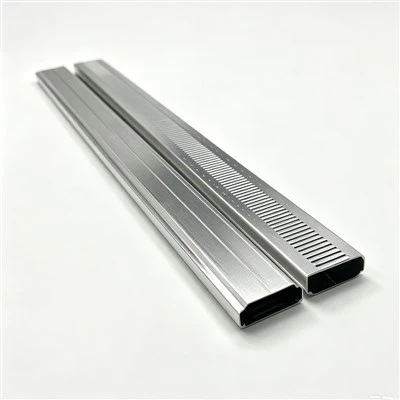
Understanding the Basics of Line Steel Connectors
Before diving into the cleaning process, it’s essential to understand the materials and design of line steel connectors. These connectors are typically made of high – quality steel, which may be coated with zinc, nickel, or other protective layers to prevent corrosion. The design can vary widely, from simple screw – type connectors to more complex multi – pin or modular designs.
Different types of dirt and contaminants can accumulate on line steel connectors over time. These may include dust, grease, oil, rust, and oxidation products. Each type of contaminant requires a specific cleaning approach to ensure effective removal without damaging the connector.
Pre – cleaning Preparation
- Safety First: Before you start cleaning, ensure that all power sources connected to the line steel connector are turned off. This is especially important for electrical connectors, as working on live circuits can be extremely dangerous. Wear appropriate personal protective equipment (PPE), such as safety glasses, gloves, and a dust mask if necessary.
- Inspect the Connector: Carefully examine the line steel connector for any signs of damage, such as cracks, bent pins, or loose parts. If you find any significant damage, it may be necessary to replace the connector instead of cleaning it. Note down the type and location of contaminants, as this will help you choose the most suitable cleaning method.
- Gather the Necessary Tools and Cleaning Agents: You will need a variety of tools and cleaning agents for the cleaning process. Common tools include soft – brush, toothbrush, compressed air canister, and lint – free cloth. For cleaning agents, mild detergents, isopropyl alcohol, or specialized metal cleaners can be used. Avoid using abrasive materials or harsh chemicals that may scratch or damage the connector surface.
Step – by – Step Cleaning Process
Dry Cleaning
- Remove Loose Debris: Use a soft – brush or a can of compressed air to remove loose dirt, dust, and debris from the connector. Start from the outer surface and work your way towards the inner parts, such as pins or terminals. Hold the brush or the nozzle of the compressed air can at a slight angle to ensure that the debris is blown away rather than pushed further into the connector.
- Brush the Pins and Terminals: For connectors with pins or terminals, use a toothbrush to gently clean each pin. Be careful not to bend the pins, as this can affect the connection quality. Brush in a back – and – forth motion to dislodge any dirt or oxidation on the pin surface.
Wet Cleaning
- Prepare the Cleaning Solution: If the connector is heavily soiled, you may need to use a cleaning solution. Mix a mild detergent with warm water in a small container. If you are dealing with stubborn grease or oil, you can also use isopropyl alcohol. Make sure the cleaning solution is well – mixed before use.
- Dip or Wipe the Connector: You can either dip the connector into the cleaning solution or use a lint – free cloth soaked in the solution to wipe it. If dipping the connector, ensure that it is completely submerged for a few minutes, allowing the solution to penetrate and dissolve the contaminants. For delicate connectors, wiping is a safer option. Gently rub the cloth over the surface, paying special attention to the areas with dirt buildup.
- Rinse the Connector: After cleaning, rinse the connector thoroughly with clean water to remove any remaining cleaning solution. Use a gentle stream of water to avoid damaging the connector. Make sure all the cleaning agent is washed away, as residues can cause corrosion over time.
Drying the Connector
- Shake Off Excess Water: Gently shake the connector to remove as much excess water as possible. Do not shake it too vigorously, especially if it has delicate parts.
- Use a Lint – free Cloth: Pat the connector dry with a lint – free cloth. Make sure to dry all the surfaces, including the inner parts and the spaces between pins.
- Air – dry or Use a Low – heat Source: Allow the connector to air – dry completely. If you need to speed up the process, you can use a low – heat source, such as a hair dryer set on the lowest setting. Keep the hair dryer at a safe distance from the connector to prevent overheating.
Post – cleaning Inspection and Maintenance
- Inspect the Connector Again: After the connector is dry, inspect it once more to ensure that all the contaminants have been removed. Check for any signs of remaining dirt, corrosion, or damage. If necessary, repeat the cleaning process.
- Apply a Protective Coating: To prevent future corrosion and damage, you can apply a thin layer of a protective coating, such as a corrosion inhibitor or a dielectric grease. Follow the manufacturer’s instructions when applying the coating.
- Store or Reinstall the Connector Properly: If you are not going to reinstall the connector immediately, store it in a clean, dry place. When reinstalling the connector, make sure it is properly aligned and tightened to ensure a secure connection.
Special Considerations for Different Types of Line Steel Connectors
- Electrical Connectors: For electrical connectors, it’s crucial to ensure that they are completely dry before reconnecting to a power source. Any moisture left in the connector can cause short – circuits or electrical failures. Also, avoid using cleaning agents that are conductive, as they can affect the electrical performance of the connector.
- Modular Connectors: Modular connectors, such as RJ45 connectors, require special attention. Use a small, soft – tip brush to clean the inside of the connector housing. Be careful not to damage the contacts inside the housing.
- High – temperature Connectors: Connectors used in high – temperature environments may require more frequent cleaning. The heat can cause contaminants to bake onto the connector surface, making them more difficult to remove. In such cases, you may need to use stronger cleaning agents or more aggressive cleaning methods.
Conclusion
Cleaning a line steel connector is a relatively simple yet essential process that can significantly improve its performance and longevity. By following the steps outlined in this blog, you can ensure that your line steel connectors remain in excellent condition. As a supplier of line steel connectors, I am committed to providing high – quality products and sharing professional knowledge with our customers.
Molecular Sieve If you are interested in purchasing our line steel connectors or have any questions about their maintenance and cleaning, please feel free to contact us for further discussion. We are always ready to offer you the best solutions and support.
References
- ASME Standards for Steel Connectors
- National Electrical Manufacturers Association (NEMA) Guidelines for Electrical Connector Maintenance
- Metal Finishing and Corrosion Prevention Handbook
Renqiu City Xinjian Metal Products Co., Ltd.
Renqiu City Xinjian Metal Products Co., Ltd. is one of the most professional line steel connector manufacturers and suppliers in China. With abundant experience, we warmly welcome you to wholesale customized line steel connector from our factory. If you have any enquiry about free sample, please feel free to email us.
Address: Caicun Dajie Village, Changfeng Town, Renqiu City, Hebei Province China
E-mail: melody@xinjianmetal.com
WebSite: https://www.xjglassspacer.com/
