When delving into the world of used construction equipment, one frequently asked question by potential buyers is about the fuel consumption of a used roller. As a seasoned supplier of used rollers, I’ve encountered this query numerous times, and I understand the significance of fuel efficiency in the decision – making process. In this blog, we’ll explore what influences the fuel consumption of a used roller, how to assess it, and why it matters for your business. Used Roller

Factors Affecting the Fuel Consumption of a Used Roller
The fuel consumption of a used roller is not a fixed value. It is influenced by a multitude of factors, some of which are related to the roller itself, while others are about the operating conditions.
Roller – Specific Factors
-
Engine Size and Type: The engine of a roller is the heart that drives its operation. Generally, rollers with larger engines consume more fuel. For example, a heavy – duty roller designed for large – scale road construction projects typically has a bigger engine compared to a smaller, walk – behind roller used for minor paving jobs. Diesel engines, which are commonly used in rollers, also have different fuel consumption rates depending on their design and technology. Newer diesel engines often incorporate advanced fuel injection systems and emission control technologies that can improve fuel efficiency.
-
Age and Condition: The age of the roller plays a crucial role. An older roller may have worn – out engine components, such as piston rings, valves, or fuel injection nozzles. These worn parts can lead to less efficient combustion, resulting in higher fuel consumption. Additionally, if the roller has not been well – maintained, with issues like dirty air filters, clogged fuel lines, or poor lubrication, it will also consume more fuel as the engine has to work harder to perform its tasks.
-
Roller Weight and Design: Heavier rollers require more energy to move and operate. A large tandem roller, for instance, might have a higher fuel consumption than a single – drum roller of smaller size, simply because it has more mass to move. The design of the roller, such as the shape of the drums and the overall aerodynamics (although this is less of a factor for construction equipment compared to vehicles), can also impact how much power the engine needs to generate, thereby affecting fuel consumption.
Operating Condition Factors
- Workload and Terrain: The intensity of the work being done by the roller has a direct impact on fuel consumption. If the roller is constantly working at full capacity, compacting thick layers of asphalt or soil, it will use more fuel than when it is operating at a lower load. Similarly, the terrain on which the roller is used matters. Working on hilly or uneven ground requires more power from the engine to maintain speed and perform the compaction, leading to increased fuel consumption compared to working on flat, smooth surfaces.
- Operator Skill: A skilled operator can significantly influence the fuel consumption of a roller. An experienced operator knows how to adjust the speed, vibration settings, and overall operation of the roller to achieve optimal compaction with the least amount of fuel. For example, they can avoid unnecessary idling, use the roller’s gears effectively, and adjust the vibration frequency according to the material being compacted. In contrast, an inexperienced operator may accidentally over – use the engine, resulting in higher fuel consumption.
Assessing the Fuel Consumption of a Used Roller
When you’re in the market to purchase a used roller, there are several ways to get an idea of its fuel consumption.
Manufacturer’s Specifications
The first place to look is the manufacturer’s documentation. Most roller manufacturers provide estimated fuel consumption rates for their equipment under normal operating conditions. However, it’s important to note that these are just estimates and the actual fuel consumption may vary depending on the factors mentioned above. When looking at these specifications, pay attention to the type of operation (e.g., continuous compaction, idling) and the type of material being compacted for which the estimate was made.
On – Site Testing
If possible, conduct on – site testing of the used roller. This involves running the roller under typical working conditions and measuring the amount of fuel it consumes over a certain period or a specific task. For example, you can fill the fuel tank to a known level, operate the roller for a set number of hours on a representative job site, and then measure how much fuel was used to replenish the tank. This method gives you a real – world indication of the roller’s fuel consumption in your specific operating environment.
Previous Owner Feedback
Contacting the previous owner of the used roller can also provide valuable insights. They can tell you about the roller’s actual fuel consumption in their usage, any issues they faced related to fuel efficiency, and their overall experience with the machine’s performance in terms of fuel consumption. This first – hand information can be very helpful in making an informed decision.
Why Fuel Consumption Matters for Your Business
The fuel consumption of a used roller has a direct impact on your business’s bottom line and operational efficiency.
Cost Savings
Fuel is one of the major operating costs in the construction industry. A roller with lower fuel consumption can significantly reduce your overall project costs. Over the lifespan of a construction project, the savings on fuel can add up to a substantial amount. For example, if you have a large – scale road construction project that requires the use of a roller for several months, a more fuel – efficient roller can save you thousands of dollars in fuel expenses.
Environmental Impact
In today’s environmentally conscious world, reducing fuel consumption also means reducing your carbon footprint. Using a used roller with lower fuel consumption helps to minimize the emission of greenhouse gases, such as carbon dioxide, into the atmosphere. This can be beneficial for your business’s reputation, especially if you’re working on projects that have strict environmental requirements or if you’re aiming to be a more sustainable company in the long run.
Operational Efficiency
A roller that consumes less fuel can operate for longer periods without the need for frequent refueling. This reduces downtime and increases the overall productivity of your construction site. You can complete your projects more quickly, which can lead to better customer satisfaction and potentially more business opportunities.
Making the Right Choice
As a used roller supplier, I’m dedicated to helping you find the right equipment that meets your fuel consumption requirements and other business needs. When you’re considering purchasing a used roller from me, I can provide you with all the necessary information about the roller’s fuel consumption, including any available test results or feedback from previous owners.
I understand that every project is unique, and the fuel consumption needs can vary accordingly. Whether you’re working on a small residential paving project or a large – scale commercial construction job, I have a wide range of used rollers to choose from. I’ll work closely with you to analyze your specific requirements, consider the type of terrain, workload, and material you’ll be dealing with, and then recommend the most fuel – efficient option for you.
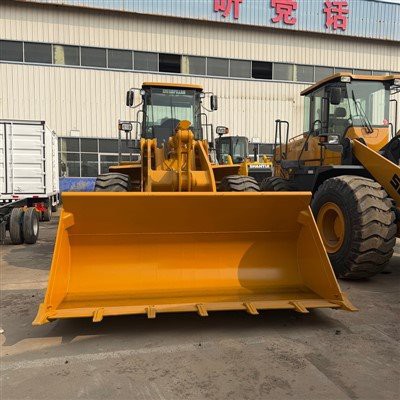
If you’re interested in learning more about our used rollers and their fuel consumption, I encourage you to contact me. We can have a detailed discussion about your project, and I can arrange for on – site testing if needed. Don’t miss out on the opportunity to find a high – quality, fuel – efficient used roller that will enhance your business’s performance and profitability. Reach out to me today to start the conversation about your equipment needs.
References
- Handbook of Construction Equipment Engineering
- Construction Machinery: Theory and Practice
Railing Semi-trailer By closely examining the factors influencing fuel consumption, assessing it accurately, and understanding its importance for your business, you can make a well – informed decision when purchasing a used roller. I look forward to helping you find the perfect equipment for your projects.
Liangshan Guanyue Auto Trading Co., Ltd.
As one of the leading used roller manufacturers and suppliers in China, we warmly welcome you to buy bulk high quality used roller at low price from our factory. If you have any enquiry about pricelist and quotation, please feel free to email us.
Address: Liangshan County, Jining City, Shandong Province
E-mail: guanyuetruck@gmail.com
WebSite: https://www.gytruck.com/
