Hey there! I’m a supplier of FRP (Fiber Reinforced Plastic) molds, and today I wanna chat about whether FRP molds can be used for electrical components. It’s a question I get a lot, and I’m stoked to share my thoughts and experiences on this topic. FRP Mold
First off, let’s talk a bit about what FRP molds are. FRP is a composite material made up of fibers (usually glass fibers) and a resin matrix. It’s known for being lightweight, strong, and corrosion-resistant. FRP molds are used to create all sorts of products, from automotive parts to architectural elements. But can they be used for electrical components? The short answer is yes, and here’s why.
Advantages of Using FRP Molds for Electrical Components
1. Electrical Insulation
One of the most important properties for electrical components is electrical insulation. FRP has excellent electrical insulation properties, which means it can prevent the flow of electricity and protect the components from short circuits. This is crucial for the safety and reliability of electrical systems. For example, in high-voltage applications, FRP can be used to create insulators that keep the electrical current in check and prevent it from leaking.
2. Lightweight and Durable
Electrical components often need to be lightweight, especially in applications like aerospace and automotive. FRP is much lighter than traditional materials like metal, which can help reduce the overall weight of the electrical system. At the same time, it’s also very durable and can withstand harsh environments, such as extreme temperatures, moisture, and chemicals. This makes it a great choice for electrical components that need to last a long time.
3. Design Flexibility
FRP molds offer a high degree of design flexibility. You can create complex shapes and sizes that are difficult or impossible to achieve with other materials. This is especially useful for electrical components that have specific design requirements, such as custom enclosures or housings. With FRP molds, you can easily incorporate features like cutouts, holes, and ribs to meet the needs of your electrical components.
4. Cost-Effective
Compared to some other materials used for electrical components, FRP can be a cost-effective option. The raw materials for FRP are relatively inexpensive, and the manufacturing process is also quite efficient. This means you can produce high-quality electrical components at a lower cost, which is always a plus for businesses.
Applications of FRP Molds in Electrical Components
1. Electrical Enclosures
FRP is commonly used to make electrical enclosures. These enclosures protect the electrical components from dust, moisture, and physical damage. They can be designed to be weatherproof and fire-resistant, depending on the application. For example, in outdoor electrical installations, FRP enclosures can keep the components safe from the elements and ensure reliable operation.
2. Switchgear and Circuit Breakers
FRP can be used in the manufacturing of switchgear and circuit breakers. These components are responsible for controlling and protecting the electrical system. The electrical insulation properties of FRP make it a suitable material for these applications, as it can prevent electrical arcing and ensure the safe operation of the switchgear and circuit breakers.
3. Cable Trays and Supports
Cable trays and supports are used to organize and support electrical cables. FRP cable trays are lightweight, corrosion-resistant, and easy to install. They can also be designed to have a high load capacity, which is important for supporting heavy cables. In addition, FRP supports can be used to hold the cables in place and prevent them from sagging.
4. Insulators
As mentioned earlier, FRP is an excellent material for insulators. Insulators are used to separate electrical conductors and prevent the flow of electricity between them. FRP insulators can be used in a variety of applications, from power transmission lines to electrical equipment. They are known for their high dielectric strength and long service life.
Challenges and Considerations
While FRP molds have many advantages for electrical components, there are also some challenges and considerations to keep in mind.
1. Thermal Conductivity
FRP has a relatively low thermal conductivity compared to metals. This means that it may not be as effective at dissipating heat as metal components. In applications where heat dissipation is critical, additional cooling measures may need to be taken. For example, you may need to add heat sinks or fans to the electrical components to ensure that they operate at a safe temperature.
2. Surface Finish
The surface finish of FRP components can sometimes be a challenge. FRP can have a rough or porous surface, which may not be suitable for some electrical applications. In these cases, additional finishing processes may be required to smooth the surface and improve the appearance of the components.
3. Compatibility with Other Materials
When using FRP molds for electrical components, it’s important to consider the compatibility of FRP with other materials. For example, if the FRP component is in contact with a metal component, there may be a risk of galvanic corrosion. To prevent this, appropriate coatings or insulation materials may need to be used.
My Experience as an FRP Mold Supplier
As an FRP mold supplier, I’ve worked with many customers in the electrical industry. I’ve seen firsthand the benefits of using FRP molds for electrical components. One of my customers was a company that was looking for a lightweight and durable enclosure for their electrical equipment. They had previously used metal enclosures, but they were heavy and prone to corrosion. We designed and manufactured an FRP enclosure for them, and they were very happy with the results. The enclosure was not only lighter and more corrosion-resistant, but it also had a better design and was easier to install.
Another customer was a manufacturer of switchgear. They were looking for a material that could provide excellent electrical insulation and withstand high temperatures. We recommended FRP, and they were impressed with its performance. The FRP components we produced for them met all their requirements and helped them improve the reliability of their switchgear.
Conclusion
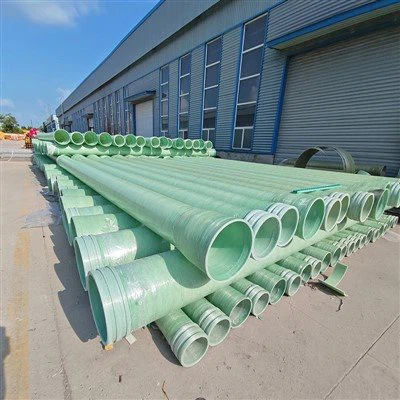
So, can FRP molds be used for electrical components? Absolutely! FRP offers many advantages, including electrical insulation, lightweight, durability, design flexibility, and cost-effectiveness. It can be used in a variety of applications, from electrical enclosures to insulators. However, there are also some challenges and considerations to keep in mind, such as thermal conductivity, surface finish, and compatibility with other materials.
FRP Tanks If you’re in the electrical industry and are looking for a high-quality and cost-effective solution for your electrical components, I encourage you to consider using FRP molds. As an experienced FRP mold supplier, I can help you design and manufacture the perfect FRP components for your needs. Whether you need a custom enclosure, a switchgear component, or an insulator, I’ve got you covered. Don’t hesitate to reach out to me to discuss your project and see how we can work together.
References
- "Fiber Reinforced Plastic (FRP) Composites: Materials, Manufacturing, and Design" by David Hull and Timothy W. Clyne
- "Electrical Insulation Materials and Systems" by George Chen and A. Kusko
Hebei Weihan Environmental Protection Equipment Co., Ltd.
We’re well-known as one of the leading FRP mold manufacturers and suppliers in China, featured by quality products and good service. Please rest assured to buy customized FRP mold at competitive price from our factory. Contact us for more details.
Address: No. 666 Chuangye Road, Zaoqiang County, Hengshui City, Hebei Province
E-mail: weihanmachine@gmail.com
WebSite: https://www.whanfrp.com/
