As a provider of Walk – In Cold Rooms, I often get asked if a walk – in cold room can be used in a winery. This question is fundamentally important, given the specialized requirements of winemaking. In this blog, I will explore the uses and benefits of walk – in cold rooms in wineries, considering aspects from grape storage to wine aging and serving. Walk In Cold Room

Grape Storage
One of the primary steps in winemaking is grape selection and storage. After the harvest, grapes need to be kept at a specific temperature to preserve their quality. Grapes are highly perishable, and temperature plays a critical role in retaining their sugar, acid, and flavor compounds.
A walk – in cold room is an ideal solution for grape storage. It allows winemakers to control the temperature precisely within the optimal range, typically between 32°F (0°C) and 50°F (10°C). At these temperatures, the metabolic processes of the grapes slow down, preventing premature fermentation and degradation of quality.
Moreover, the stable environment inside the walk – in cold room reduces the risk of mold growth, which can ruin an entire batch of grapes. In a winery, where large quantities of grapes are harvested and stored, having a walk – in cold room provides the capacity to hold a significant volume of grapes while maintaining their integrity.
Fermentation Process
The fermentation process is the heart of winemaking. Different types of wines require different fermentation temperatures. For example, white wines generally ferment at lower temperatures than red wines.
A walk – in cold room can be used to initiate and control the fermentation process. By setting the appropriate temperature, winemakers can ensure that the yeast works efficiently, producing the desired flavors and aromas. The consistent temperature control in a walk – in cold room helps in creating a uniform fermentation environment, which is crucial for high – quality wine production.
During fermentation, heat is generated as a by – product. In a walk – in cold room, the cooling system can counteract this heat, maintaining the ideal temperature. This is particularly important for extended fermentation periods, where even a small temperature fluctuation can affect the final product.
Wine Aging
Aging is another crucial stage in winemaking. Wines can be aged in barrels or bottles, and the temperature and humidity conditions during aging significantly impact their flavor development.
Walk – in cold rooms can be customized to provide the perfect aging environment. For wine aging, a stable temperature between 50°F (10°C) and 60°F (15.6°C) is often preferred. The humidity should also be maintained at around 60 – 70% to prevent the corks from drying out and allowing air to enter the bottles.
In a walk – in cold room, winemakers can monitor and adjust these conditions easily. They can store different wine batches at different stages of aging, each with its own specific requirements. This allows for a more controlled and efficient aging process, resulting in wines with complex flavors and smooth textures.
Wine Serving
In addition to production and aging, a walk – in cold room can also be used for wine serving in a winery’s tasting room or restaurant. Different wines are best served at different temperatures. Sparkling wines and white wines are typically served chilled, while red wines need to be served at a slightly warmer temperature.
A walk – in cold room can be partitioned into different areas with varying temperatures. This allows winery staff to store different types of wines at their optimal serving temperatures. When customers come for a wine tasting, the wines can be served at the perfect temperature, enhancing the overall tasting experience.
Advantages of Using a Walk – In Cold Room in a Winery
- Cost – Efficiency: Investing in a walk – in cold room can be cost – effective in the long run. Instead of relying on multiple small cooling units, a single large walk – in cold room can serve multiple purposes, reducing energy consumption and maintenance costs.
- Flexibility: Walk – in cold rooms can be designed and customized according to the specific needs of the winery. Whether it is a small boutique winery or a large commercial operation, the size and configuration of the cold room can be adjusted.
- Quality Control: By providing a stable and controlled environment, walk – in cold rooms give winemakers greater control over the quality of their wines. This leads to more consistent products, which can enhance the winery’s reputation in the market.
- Capacity: Winemaking involves dealing with large volumes of grapes and wine. A walk – in cold room offers sufficient storage capacity, allowing wineries to manage their inventory effectively.
Considerations When Choosing a Walk – In Cold Room for a Winery
- Insulation: High – quality insulation is crucial to maintain a stable temperature inside the cold room. The insulation material should have a high R – value to minimize heat transfer.
- Cooling System: The cooling system should be powerful enough to handle the heat load generated by the stored grapes or wine. It should also be energy – efficient to reduce operating costs.
- Humidity Control: Maintaining the right humidity level is essential for grape storage, fermentation, aging, and wine serving. The cold room should be equipped with a reliable humidity control system.
- Accessibility: Easy access to different areas of the cold room is important for winery staff. The design should allow for smooth movement of barrels, bottles, and grape crates.
Conclusion
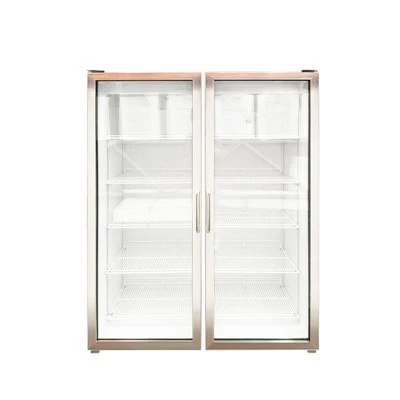
In conclusion, a walk – in cold room can be a valuable asset in a winery. From grape storage to wine aging and serving, it provides numerous benefits, including better quality control, cost – efficiency, and flexibility. If you are a winery owner or involved in the winemaking business, considering a walk – in cold room can be a step towards improving your winemaking process and enhancing the quality of your wines.
Pu Panel If you are interested in learning more about how our walk – in cold rooms can meet the specific needs of your winery, or if you have any questions about the selection, installation, or maintenance of a cold room, please do not hesitate to contact us. We are here to provide you with professional advice and high – quality products. Our team of experts is ready to assist you in making the right choice for your winery.
References
- Jackson, R. S. (2008). Wine Science: Principles, Practices, Perceptions. Academic Press.
- Boulton, R. B., Singleton, V. L., Bisson, L. F., & Kunkee, R. E. (1996). Principles and Practices of Winemaking. Chapman & Hall.
Coste Glass Door Co., Ltd.
As one of the most professional walk in cold room manufacturers and suppliers in China, we’re featured by quality products and good price. Please feel free to wholesale bulk walk in cold room in stock here and get quotation from our factory. Customized orders are welcome.
Address: 41/47, VILLAGE NO.5 KHOK KRABUE SUBDISTRICT MUEANG SAMUT SAKHON DISTRICT ,SAMUT SAKHON PROVINCE 74000 ,Thailand
E-mail: Alicezhou@shhag.com
WebSite: https://www.costeglassdoor.com/
