Hey there, folks! As a supplier of second – hand graders, I’ve spent a ton of time around these machines. And one question that comes up a whole lot is, "What is the ergonomics of a second – hand grader’s controls?" Well, let’s dive right in and break it down. Second Hand Grader
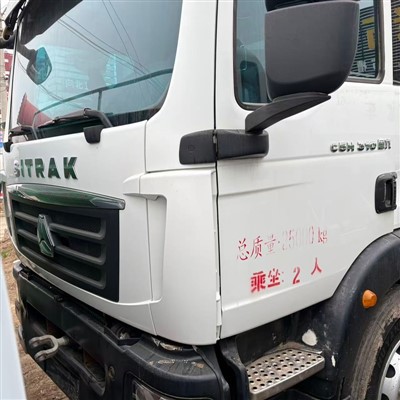
First off, let’s talk about what ergonomics actually means. In simple terms, ergonomics is all about designing things so they fit the people who use them. When it comes to second – hand graders, that means making the controls easy to reach, comfortable to use, and intuitive enough that operators don’t have to think too hard about what they’re doing.
Now, let’s look at the different types of controls you’ll find on a second – hand grader. There are the steering controls, which are obviously super important for guiding the grader in the right direction. On most second – hand graders, the steering wheel is designed to be a comfortable size. It’s not too big that it’s hard to turn, and not too small that your hands get cramped. The placement of the steering wheel is also key. It’s usually positioned in front of the operator at a height that allows for a natural arm and shoulder position. You don’t want to be reaching up or down too much to turn the wheel, because that can lead to fatigue over time.
Then there are the blade controls. The blade on a grader is what does the actual grading work, so being able to control it precisely is crucial. The blade controls are typically located within easy reach of the operator. They might be on a console to the right or left of the seat, or sometimes on a joystick. The idea is that you can make adjustments to the angle, height, and tilt of the blade without having to stretch or move your body too far.
For example, if you’re working on a long stretch of road and you need to make small adjustments to the blade’s angle to keep the surface smooth, you don’t want to be fumbling around for the controls. A well – designed second – hand grader will have blade controls that are responsive and easy to operate with just a light touch.
The throttle and brake controls are also important aspects of a grader’s ergonomics. The throttle is used to control the speed of the grader, and the brake is for stopping it. These controls are usually located on the floor or on a pedal near the operator’s feet. They’re designed to be easy to press and release. You don’t want a throttle that’s too stiff, because that can make it tiring to maintain a constant speed. And the brake should have a good feel to it, so you can stop the grader smoothly and safely.
Another thing to consider is the control layout. A good second – hand grader will have a logical control layout. That means the controls that are used most often are placed in the most accessible locations. For instance, the blade controls that you might be using constantly during a grading job are usually right at your fingertips. And less frequently used controls, like those for the grader’s lights or horn, are still within reach but not in the way of the more important ones.
Now, when you’re buying a second – hand grader, it’s important to pay attention to the ergonomics. A machine with good ergonomics can make a huge difference in the operator’s comfort and productivity. An operator who isn’t constantly struggling with uncomfortable controls is going to be able to work longer hours without getting as tired. And that means more work getting done in less time.
Let’s say you’ve got an old second – hand grader that has controls that are really hard to reach. The operator has to twist and turn their body every time they need to make an adjustment. That’s not only going to slow down the work, but it can also lead to injuries over time, like back pain or neck strain. On the other hand, a grader with well – designed ergonomic controls allows the operator to focus on the job at hand and do it more efficiently.
But here’s the thing. Just because a grader is second – hand doesn’t mean it can’t have great ergonomics. There are a lot of older models out there that were built with ergonomic design in mind. And sometimes, you can even find second – hand graders that have been retrofitted with newer, more ergonomic controls.
So, how do you know if a second – hand grader has good ergonomics? Well, the best way is to take it for a test drive. Sit in the operator’s seat, reach out for the controls, and see how they feel. Try turning the steering wheel, operating the blade controls, and using the throttle and brake. Pay attention to how comfortable you are and how easy it is to use the controls.
If you’re in the market for a second – hand grader, don’t overlook the importance of ergonomics. It’s not just about making the operator’s job more comfortable; it’s also about getting the best performance out of the machine. And as a supplier, I can tell you that I’ve seen firsthand how a grader with good ergonomics can make a big difference in a construction project.
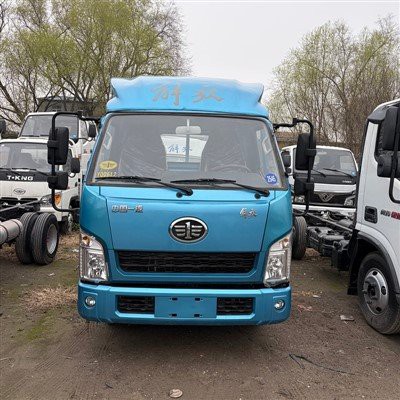
So, if you’re interested in learning more about our second – hand graders and their ergonomic features, or if you’re ready to start a conversation about purchasing one, don’t hesitate to get in touch. We’re here to help you find the perfect grader for your needs. Whether you’re a small construction company or a large contractor, we’ve got a range of second – hand graders that can fit your budget and your requirements.
Tow Truck References:
- Industry standards for grader design and ergonomics
- Operator feedback from years of using second – hand graders
- Technical manuals of various second – hand grader models
Liangshan Guanyue Auto Trading Co., Ltd.
As one of the leading second hand grader manufacturers and suppliers in China, we warmly welcome you to buy bulk high quality second hand grader at low price from our factory. If you have any enquiry about pricelist and quotation, please feel free to email us.
Address: Liangshan County, Jining City, Shandong Province
E-mail: guanyuetruck@gmail.com
WebSite: https://www.gytruck.com/
