As a supplier of disinfectant wipes, I’ve often been asked whether these essential cleaning products lose their effectiveness over time. It’s a question that has significant implications for both consumers and businesses, especially in the current climate where hygiene is of utmost importance. In this blog post, I’ll delve into the science behind disinfectant wipes, explore the factors that can affect their effectiveness over time, and provide some practical tips on how to ensure you’re getting the most out of your wipes. Disinfectant Wipes
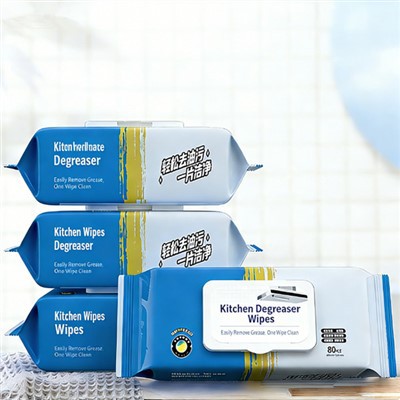
Understanding the Science of Disinfectant Wipes
Disinfectant wipes are designed to kill or inactivate a wide range of microorganisms, including bacteria, viruses, and fungi. They typically contain one or more active ingredients, such as alcohol, quaternary ammonium compounds, or hydrogen peroxide, which work by disrupting the cell membranes or metabolic processes of these microorganisms.
The effectiveness of a disinfectant wipe depends on several factors, including the concentration of the active ingredient, the contact time (the amount of time the wipe needs to remain in contact with the surface to kill the microorganisms), and the type of microorganisms being targeted. Most disinfectant wipes are designed to be effective against a broad spectrum of common pathogens, but some may be more effective against certain types of microorganisms than others.
Factors That Can Affect the Effectiveness of Disinfectant Wipes Over Time
Several factors can affect the effectiveness of disinfectant wipes over time, including:
1. Chemical Degradation
One of the primary factors that can cause disinfectant wipes to lose their effectiveness over time is chemical degradation. The active ingredients in disinfectant wipes can break down over time, especially when exposed to heat, light, or air. For example, alcohol-based disinfectant wipes can evaporate over time, reducing the concentration of alcohol and thus the effectiveness of the wipe. Similarly, quaternary ammonium compounds can react with other chemicals in the wipe or in the environment, leading to a decrease in their effectiveness.
2. Drying Out
Disinfectant wipes are typically moistened with a solution containing the active ingredient. If the wipes dry out, the concentration of the active ingredient may become too low to be effective. This can happen if the wipes are left open for an extended period of time or if they are stored in a dry environment.
3. Contamination
Disinfectant wipes can become contaminated with microorganisms over time, especially if they are not stored properly. For example, if the wipes are exposed to dirty hands or surfaces, they may pick up bacteria or viruses, which can then reduce the effectiveness of the wipe. Additionally, if the wipes are stored in a damp environment, they may develop mold or mildew, which can also affect their effectiveness.
4. Expiration Date
Most disinfectant wipes have an expiration date printed on the packaging. This date indicates the point at which the manufacturer guarantees the effectiveness of the wipe. After the expiration date, the effectiveness of the wipe may decrease, and it may no longer be able to kill or inactivate the microorganisms it is designed to target.
How to Ensure the Effectiveness of Disinfectant Wipes
To ensure that your disinfectant wipes remain effective over time, it’s important to follow these tips:
1. Store the Wipes Properly
Store your disinfectant wipes in a cool, dry place, away from direct sunlight and heat. Keep the wipes in their original packaging, and make sure the lid is tightly closed after each use to prevent the wipes from drying out.
2. Check the Expiration Date
Before using a disinfectant wipe, check the expiration date on the packaging. If the wipe has expired, do not use it, as it may no longer be effective.
3. Follow the Instructions for Use
Make sure you follow the instructions for use on the packaging of the disinfectant wipe. This includes using the wipe for the recommended contact time, which is typically between 30 seconds and several minutes, depending on the type of microorganism being targeted.
4. Use the Wipes Correctly
When using a disinfectant wipe, make sure you cover the entire surface you are cleaning. Use enough pressure to ensure that the wipe makes good contact with the surface, and do not reuse the wipe on multiple surfaces without cleaning it first.
The Importance of Using Effective Disinfectant Wipes
Using effective disinfectant wipes is crucial for maintaining a clean and healthy environment. Disinfectant wipes can help to prevent the spread of infectious diseases, such as the flu, COVID-19, and norovirus, by killing or inactivating the microorganisms that cause these diseases. They are also useful for cleaning and disinfecting surfaces in homes, offices, schools, and other public places.
As a supplier of disinfectant wipes, I am committed to providing high-quality products that are effective against a wide range of microorganisms. Our wipes are formulated with the latest technology and are rigorously tested to ensure their effectiveness. We also offer a variety of wipes to meet the needs of different customers, including alcohol-based wipes, quaternary ammonium compound wipes, and hydrogen peroxide wipes.
Contact Us for Your Disinfectant Wipes Needs

If you’re looking for a reliable supplier of disinfectant wipes, look no further. We offer a wide range of high-quality disinfectant wipes at competitive prices. Our products are designed to be effective, convenient, and easy to use, making them the perfect solution for your cleaning and disinfection needs.
Disinfectant Wipes Whether you’re a homeowner, a business owner, or a healthcare professional, we have the right disinfectant wipes for you. Contact us today to learn more about our products and to discuss your specific needs. We look forward to working with you to keep your environment clean and healthy.
References
- Block, S. S. (ed.). (2001). Disinfection, Sterilization, and Preservation. Lippincott Williams & Wilkins.
- Centers for Disease Control and Prevention. (2021). Cleaning and Disinfecting Your Facility. Retrieved from https://www.cdc.gov/coronavirus/2019-ncov/community/disinfecting-building-facility.html
- Rutala, W. A., & Weber, D. J. (2014). Guideline for Disinfection and Sterilization in Healthcare Facilities. American Journal of Infection Control, 42(7 Suppl 1), S1-S64.
Shanghai Joy Crown Industry Co., Ltd.
As one of the most professional disinfectant wipes manufacturers and suppliers in China, our company have world-leading production equipment and strong manufacturing capabilities. Please feel free to buy high quality disinfectant wipes made in China here from our factory. Contact us for OEM service.
Address: No.55-56 Lane 21 Pu San Road, Pudong New Area, 200125 Shanghai, P.R.China.
E-mail: sales@joybiowipes.com
WebSite: https://www.joybiowipes.com/
