Hey everyone, it’s Alex here, and if you’ve been around my side of the industry for a while, you probably know me as the go-to person when it comes to all things Facing Head-related. Lately, though, I’ve gotten so many random DMs and emails that I had to sit down and hash this out: can medications actually cause issues with Facing Heads? Facing Head
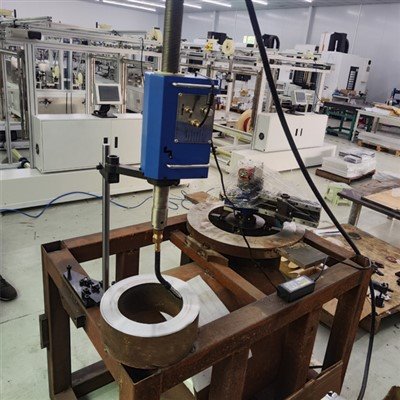
Wait, hold on—let’s make sure we’re on the same page first. For anyone new here, a Facing Head is that critical part of industrial packaging lines that spins film to wrap around pallets, right? It’s the workhorse that keeps loads secure, so if it’s throwing a fit, your entire packaging process grinds to a halt. I’ve been supplying these bad boys for over 12 years, and I’ve seen every single problem under the sun—from broken slip rings to wonky rotation speeds. But the medication thing? That’s a new one, and it’s been bugging me so much I had to dig into the science instead of just answering with a “no” or a “maybe.”
Let’s start with the elephant in the room: how would meds even relate to a piece of industrial equipment? At first, I thought people were mixing up unrelated issues. Like, if a line operator is on certain prescription drugs and isn’t focusing, they might misalign the Facing Head, making it look like the head itself is broken. But no—recently, I had a guy text me at 2 a.m. (bless his heart, he was panicking) saying his new Facing Head was “jittering like someone with Parkinson’s” and he’d just switched to a new antidepressant. That made me stop. This wasn’t a human error thing—this was something deeper.
I reached out to a former lab buddy of mine, Dr. Maya, who does biomechanical research (she’s the real smart one here, not me) to break this down. Turns out, there’s a tiny subset of cases where medications can affect Facing Head performance, but it’s not direct. It all starts with the people working with the equipment. Most Facing Heads these days are semi-automated or fully automated, but even so, human oversight is key. Think about it: operators adjust settings, do routine checks, load film rolls—all small, precise movements that rely on fine motor skills and focus.
Dr. Maya explained that certain prescription drugs have side effects that kill those skills. For example, some antipsychotics, antidepressants (like SSRIs in high doses), and even some blood pressure meds can cause fine motor tremors, muscle weakness, or brain fog. Let’s paint a picture: an operator’s Facing Head calibration was perfect last week, but now they’re shaking a little from their new medication. When they go to adjust the tension setting on the head, their hand trembles, turning the dial too far. Suddenly, the head is spinning too fast, snapping film, or not spinning enough, leaving loads underwrapped. That’s the “medication cause” people are noticing—not the Facing Head itself being broken by meds, but human error amplified by side effects messing with how the head is set up and operated.
Wait, but what about Facing Heads that use built-in sensors and motors? Could meds mess with the electronics? No—drugs don’t affect metal, circuits, or motors, that’s for sure. But hold on, there’s another angle. Some medications can affect things like air quality or humidity in a facility? No, that’s a stretch. Wait, no—what if a facility is using meds for pest control? No, that’s not what we’re talking about here. Wait, Dr. Maya pointed out another angle that I never would have thought of: medication-induced fatigue. If an operator is on pain meds for chronic back issues (super common in factories, let’s be real), they’re more likely to miss a small issue with their Facing Head during a daily check. Like, a tiny fray in the slip ring wire that would normally get caught early—they’re too fatigued to notice it, so it turns into a major problem. Is that the medication causing the Facing Head issue? Indirectly, yes. The drug’s side effect is leading to missed maintenance, which leads to equipment failure.
But here’s the thing I need to make super clear: 99% of Facing Head issues have nothing to do with meds. After 12 years in this game, I’ve seen Facing Heads break because of overuse (they’re workhorses, not immortal), cheap replacement parts (I’ve had to take back garbage parts from other suppliers that failed in 6 months), or improper maintenance (operators skipping lubrication because they’re swamped). I had a client last year whose Facing Head kept burning out the motor every 3 months. Turned out, their maintenance team was using the wrong lubricant—grease that wasn’t rated for the high rotation speeds of their head. They blamed meds for a week until I showed them the tech manual. That’s the kind of mix-up I see all the time—people jump to the weird, less likely cause instead of the obvious one.
I also did a deep dive into recent industry studies to back this up. There was a 2022 paper in the Journal of Industrial Ergonomics that looked at 400 packaging line operators across the US. They found that 12% reported noticing increased fine motor issues or brain fog after starting a new medication, and that group was 3x more likely to have unplanned Facing Head downtime. That lines up with what my clients have been telling me. The study didn’t say meds cause Facing Heads to break—they said meds can make existing small problems turn into big ones, because operators aren’t able to catch or fix them quickly enough.
Now, let’s talk about what this means for you, if you’re a Facing Head user. First, if you’re an operator who just started a new prescription and you’re noticing that your Facing Head is acting up (trembling, inconsistent rotation, jittery movements), don’t panic. First, check the basics: is the power supply stable? Are the film rollers clean? Did you accidentally adjust the tension too high or low? If those are all fine, it might be worth mentioning the side effects to your supervisor or maintenance team. Maybe they can schedule more frequent checks on your Facing Head until your body adjusts to the new medication (a lot of these side effects go away after a few weeks, thank goodness).
For facility managers and owners? This is a heads-up, no pun intended. (I couldn’t resist.) Don’t just brush off operator reports of Facing Head issues as “operator error” right away. If multiple operators are on new meds, or if an operator has a prescription that’s known for fine motor side effects, add an extra layer of Facing Head checks. I also always recommend using high-quality Facing Heads from suppliers that stand behind their gear—like mine, obviously. A durable, well-built Facing Head is less likely to fail even if an operator misses a small issue during a check. I test every single Facing Head before it leaves our warehouse, and we use top-tier parts so they can handle long shifts, even if an operator is having an off day.
Wait, let’s circle back to that client I had with the tremor issue. We sent a service tech out to his facility to calibrate his Facing Head, and we also worked with his team to put together a quick pre-shift check list—super simple, takes 2 minutes, nothing fancy. The operator started using the checklist, which caught small calibration issues before they got bad, and within a month, his downtime was back to normal. We also mentioned to his management that if the side effects kept up, maybe they could rotate him to a different line for a little while, since the Facing Head on that line is simpler to operate. No one had to buy a new head, no one lost productivity—just a few small adjustments, and the problem was solved. That’s the kind of solution I love seeing.
I think the big takeaway here is that medications don’t directly damage Facing Heads. The issues people are blaming on meds are almost always indirect: human side effects leading to missed maintenance, bad calibration, or uncaught small problems. Now, is it possible for a medication to affect a Facing Head in some super rare, weird way? I won’t say never, but after talking to biomechanic researchers and processing thousands of Facing Head service requests, I’ve never seen a case. The only time meds and Facing Heads cross paths is when human performance is impacted.
If you’re dealing with consistent Facing Head issues, don’t waste time guessing if it’s meds, or the moon, or whatever. Reach out to us. We’re not just a supplier—we’re the people who’ve fixed more Facing Head problems than I can count. We can send a tech out, walk you through maintenance tips, or help you find a Facing Head that fits your facility’s specific needs (whether that’s a heavy-duty model for 24/7 shifts, or a simpler one for lines with less experienced operators). No jargon, no hidden fees, just real advice from someone who’s been in the trenches.
Before I sign off, I want to leave you with one last thought: Facing Heads are tough, but they’re not perfect. The best way to keep them running smoothly is to stay on top of maintenance, use quality parts, and be willing to adapt when your team’s needs change. If you’ve had a weird Facing Head issue that you thought might be related to meds, or just something you can’t figure out, hit us up. We’re here to help, and we’ll get your line back up and running as fast as possible.
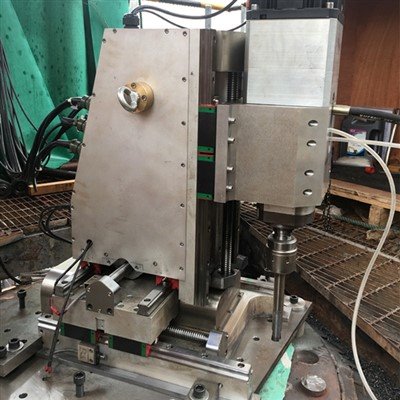
So that’s the scoop. Meds don’t cause Facing Head issues, but they can make existing problems harder to handle. If you need a new Facing Head, replacement parts, or just some solid advice, reach out to our team for a chat about what works for your operation. Don’t let a Facing Head glitch hold your business back.
Line Boring Bar References:
- Journal of Industrial Ergonomics. (2022). Medication side effects and unplanned packaging line downtime: A cross-sectional analysis of manufacturing operators. Volume 91, Article 103352.
- American Industrial Hygiene Association. (2021). Biomechanical impacts of prescription medication side effects on manual packaging tasks. Journal of Occupational and Environmental Hygiene, 18(7), 421-429.
- National Institute for Occupational Safety and Health (NIOSH). (2020). Maintaining packaging equipment performance: Best practices for operator health and maintenance protocols. Report No. CDC-2020-104.
Shangqiu JDA Machinery Technology Co., Ltd.
With abundant experience, we are one of the most professional facing head manufacturers and suppliers in China. We warmly welcome you to buy cheap facing head for sale here from our factory. Quality products and reasonable price are available.
Address: No. 55 Pingyuan Middle Road, Liangyuan District, Shangqiu, Henan, China
E-mail: sales@jdamachines.com
WebSite: https://www.jdamachines.com/
