Hey there, and welcome to my little corner of the internet where we chat all things cream chargers, especially the big ones that everyone’s been buzzing about lately. If you’re new to the world of whipped cream, whether you’re just getting into home baking, mixing cocktails, or even playing around with fancy coffee drinks, you’ve probably seen two types of cream chargers floating around: the regular, tiny 8g ones that fit in a standard whipper, and the large capacity ones—you know, the 580g or 615g canisters that look like they could power a small bakery for a week. Today we’re tackling a question I get all the time from new folks just starting out: Are large capacity cream chargers actually for beginners? Spoiler alert: it’s not a yes or no answer, and as a supplier who’s been in this game for way longer than I care to admit, I’ve seen so many new people make (and fix) mistakes with these bad boys, so let’s break it down real. Large Capacity Cream Chargers
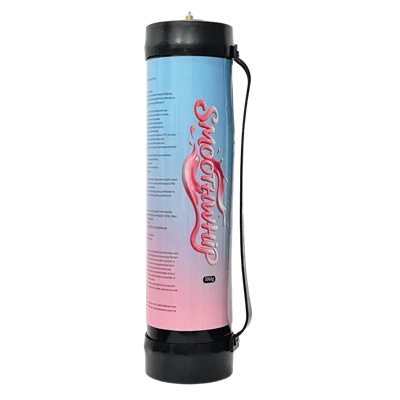
First off, let’s get the basics out of the way for anyone who’s totally new to cream whippers. A cream charger is basically a canister filled with food-grade nitrous oxide (N2O), right? It’s not a “can of gas” that you’re playing with—this stuff is FDA-approved for food use, so long as you’re buying from a reputable brand, which is super important. The tiny 8g chargers are the classic beginner go-to: you load one at a time into your whipper, screw it on, release the gas, and you get a batch of whipped cream. Easy, no muss, no fuss, and if you mess up, you only wasted one small charger and a quarter cup of cream or so. Makes sense why everyone starts here.
Now the large capacity ones—let’s call them LCCs for short, because typing “large capacity cream chargers” every time is exhausting. These hold way more N2O, so instead of loading one at a time, you hook the whole canister up to a whipper, and you can make, like, a gallon of whipped cream without recharging. They’re popular with cafes, caterers, and home bakers who do big batches all the time, so it’s normal for new folks to wonder if they can skip the tiny ones and go straight to the LCCs. But here’s the thing: LCCs work differently than 8g chargers, and there’s a learning curve that a lot of first-time users don’t expect.
Let’s start with the pros, because if you’re a beginner who does more than just whip cream for morning coffee, LCCs might actually be a game-changer. For example, if you’re throwing a dinner party for 10 people and you want homemade whipped cream, hot chocolate with whipped cream toppings, and maybe even some fancy mousse for dessert, you’d go through 10 or 12 8g chargers, which adds up. Not to mention, loading 12 tiny chargers takes forever, and if you’re in a hurry, you might fumble and drop one (ask me how I know—tripped over a handful of 8g chargers at a holiday party once, made a huge mess). With an LCC, you just hook it up once, make all your batches, and you’re done. Also, the gas flow is more consistent, so your whipped cream is less likely to be lumpy or flat, which is a win even for beginners. I’ve had a few first-time home bakers come to us saying they used an LCC for their Christmas cookie party and saved so much time, not to mention money—they calculated they spent half as much as they would have on 8g chargers. That’s a big plus.
But wait, the cons for beginners are real, and I don’t want to sugarcoat this. First, size and storage. LCCs are big—like, way bigger than a bag of 100 8g chargers. A 580g canister is about the size of a water bottle, right? So if you have a tiny kitchen or limited storage, that’s a problem. You can’t just toss it in a drawer with your spatulas; it needs to be stored in a cool, dry place, not near the oven or any heat source, because N2O is pressurized and can be dangerous if it gets too hot. A lot of beginners don’t think about that at first, and they end up cramming the LCC next to their toaster, which is a no-no. That’s not just a storage issue—it’s a safety thing, and something you don’t want to learn the hard way.
Then there’s the learning curve for using the whipper with an LCC. The attachment process is different than a standard whipper. With 8g chargers, you just screw the charger into the whipper’s head, pierce it, and you’re good to go. With an LCC, you have a regulator and a hose that connects the big canister to your whipper, and you have to adjust the pressure. Beginners often over-tighten the regulator, or don’t bleed the hose properly, which leads to messy whipped cream, or even gas escaping before you’re ready. I once had a guy email me panicking saying he just used an LCC for the first time and his entire kitchen smelled like nitrous oxide. Turned out he didn’t close the regulator all the way, and the gas was leaking out while he was prepping his cream. That’s not a danger in terms of toxicity, but it’s a waste of gas and a huge mess.
Another big one: waste. If you’re only making small batches, an LCC is overkill. Let’s say you just want to whip a half cup of cream for your morning latte. Using an LCC for that would mean wasting almost all the gas in the canister, which is not only expensive but really inefficient. I see this all the time—beginners buy an LCC because they think it’s the “cool” big boy version, then they only use it once a week for tiny batches, and by the time they’re halfway through the canister, the gas has degraded a little, so their whipped cream doesn’t turn out as good. The shelf life of an LCC, once opened, is about 6 months, right? So if you’re a casual user, you might not go through a 580g canister in that time, which is another waste.
Wait, but let’s talk about when a beginner should use an LCC. Because not all beginners are casual home users. Some beginners are starting a small side hustle—like baking custom cakes, making whipped cream toppings for ice cream shops, or even doing pop-up coffee events. Those beginners do large batches all the time, so an LCC makes total sense. I had a girl reach out to me a few months ago who was a beginner baker selling mini cupcakes out of her garage. She was using 8g chargers and going through 20 a day, so she switched to an LCC, and she told me it cut her prep time by half and saved her like $150 a month on supplies. That’s a win. Also, if you’re someone who likes to experiment with whipped cream—like flavored whipped cream, stabilized whipped cream, or even whipped cream for infusions—an LCC lets you make multiple batches without stopping to reload, which is perfect for beginners who are still testing recipes.
Another thing to consider: safety. I know I touched on this earlier, but it’s worth repeating. LCCs are pressurized canisters, so you have to handle them correctly. For beginners, that means reading the instructions thoroughly—don’t just grab it and go. Make sure the regulator is compatible with your whipper model, don’t puncture the canister or try to refill it (refilling is not only against regulations but dangerous, and I see so many people try that), and always store it upright, away from heat. If you follow the safety guidelines, they’re totally safe, but if you skip the basics, you can run into issues.
Let’s also bust a common myth: a lot of beginners think that LCCs produce a better quality whipped cream than 8g chargers. That’s not really true. The quality is mostly about the fat content of your cream and how you aerate it, not the size of the charger. The only difference is consistency, like I mentioned earlier—LCCs tend to have a more steady gas flow, so your cream is less likely to be over-whipped or under-whipped, which can be helpful for beginners. But if you’re using a standard whipper with 8g chargers and following the recipe, you can get just as good results.
So putting it all together: Are large capacity cream chargers suitable for beginners? The short answer is: It depends on what kind of beginner you are. If you’re a casual home user who only makes whipped cream for yourself or a small family, stick with the tiny 8g chargers. They’re cheaper, easier to store, and less of a hassle if you only need small batches. But if you’re a beginner who plans on making large batches regularly—whether for parties, a side hobby, or even a small business—then LCCs are totally worth it. They save you time and money in the long run, and once you get the hang of the attachment and pressure adjustment, they’re just as easy to use as the small ones.
Now, if you’re on the fence and want to test the waters, a lot of suppliers (including us) offer starter LCC kits that come with a compatible regulator, a hose, and maybe a pack of 8g chargers too, so you can compare. That way, you can see if the LCC setup works for you before buying a full canister. We also have a ton of beginner guides on our site (yeah, I’m a supplier, but I’m not gonna hide that—we want new users to get this right) that walk you through hooking up the LCC, adjusting pressure, and troubleshooting common issues like lumpy cream or gas leaks.
I’ve been in this industry for years, and I can tell you that the biggest mistake beginners make is buying the wrong charger size for their needs. A friend of mine just starting out bought a huge LCC because he thought it would be “more professional,” and he ended up leaving it in his garage for 8 months because he didn’t need that much gas. By the time he used it, the gas had degraded, and he had to throw out half a dozen batches of whipped cream that wouldn’t hold their shape. That’s a waste of money that could have been avoided if he’d just started with 8g chargers.
On the flip side, I’ve had a beginner caterer come to us saying she wished she’d bought an LCC sooner. She was using 8g chargers for her first few events, and she’d run out in the middle of a wedding, which was a total disaster. Swapping to an LCC meant she never had that problem again, and her prep time was way less stressful. So it really comes down to how often and how much you plan to use your cream whipper.
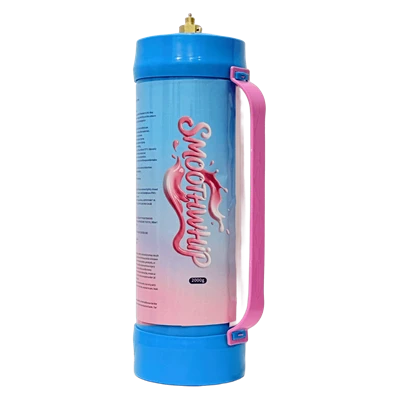
If you’re ready to figure out if a large capacity cream charger is right for you, or you want more info on the different types, regulators, or starter kits, feel free to reach out to us. We don’t do pushy sales—we just want to help you get the right tools for your needs, whether you’re a total beginner or a seasoned pro.
Cream Charger Accessories References:
- Food and Drug Administration. (2023). Food Additives Permitted for Direct Addition to Food for Human Consumption: Nitrous Oxide. Retrieved from relevant FDA food additive regulations
- National Restaurant Association. (2022). Whipped Cream Dispensing Best Practices for Small Food Operators. Retrieved from National Restaurant Association culinary resources
- Consumer Product Safety Commission. (2021). Pressurized Food Gas Container Safety Guidelines for Home and Commercial Use. Retrieved from CPSC consumer safety publications
- Culinary Institute of America. (2020). Professional Baking and Pastry: Whipped Cream Production Techniques. Retrieved from CIA culinary education materials
- HomeBrewTalk. (2023). Discussion Thread: Choosing Cream Chargers for Home Beverage and Baking Use. Retrieved from HomeBrewTalk community resources
Smoothwhip Industrial Co., Ltd.
As one of the most professional large capacity cream chargers suppliers in China, we have world-leading production equipment and strong manufacturing capabilities. We warmly welcome you to wholesale high quality large capacity cream chargers made in China here from our factory. We also accept customized orders.
Address: Room 1306, Building 4, U-Tiandi, No. 178 Puhui Road, Jiuting Town, Songjiang District, Shanghai
E-mail: info@safety-plus.cn
WebSite: https://www.smwhip.com/
